

BLOG
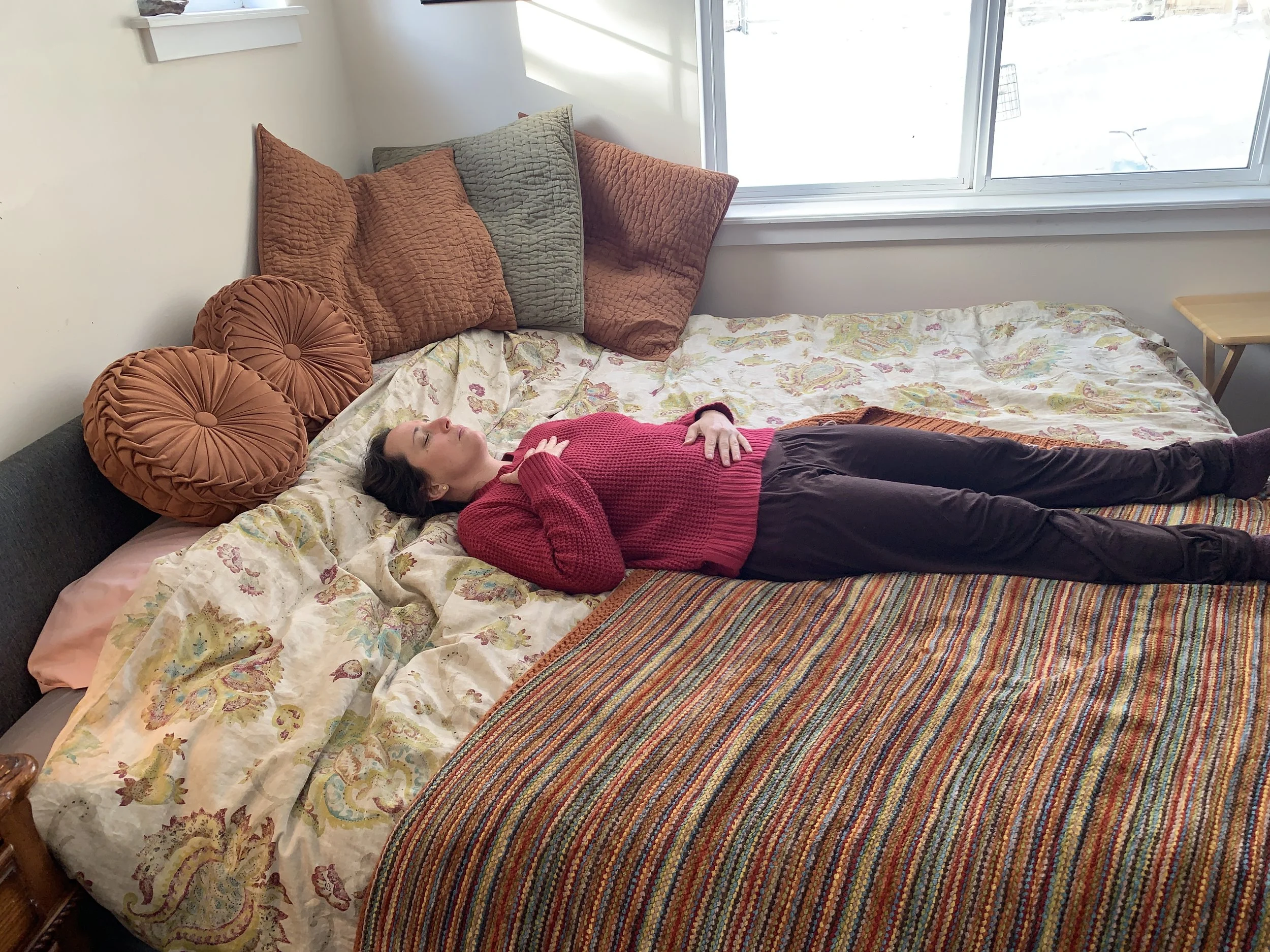
Restorative Motion Bedtime Routine - Jaw, Head & Neck
Transitioning our systems from waking to sleep and reverse is so beneficial and something I work on with clients and people in my classes. The right simple practices have a huge impact.
Try this simple yet powerful series before sleep to settle your nervous system and relax a tight or clenched jaw.

Daylight Savings Time Sleep Tips
Every year it seems that just as start enjoying the blue light that peers in through my windows when rousing from sleep each morning, spring forward comes along and shifts all that glory to the evening!
It’s like the groundhog and the shadow, except every year its the same story - weeks and weeks of morning darkness is tossed upon me as I wait for the sun to make its way close to this part of the Earth in the morning once again.
Aside from my personal, minuscule window related troubles, fatal car accidents in the United States spike by 6% during the workweek following the "spring forward" to daylight saving time…

Six Ways to Get Moving When You are Unmotivated
We all have those days, when it seems impossible to get exercise, even though we know we need it. Physical activity benefits mood, digestion, immune function and more. Peruse these ideas to see if something sparks you to get going again.



Why Sleep Timing Matters
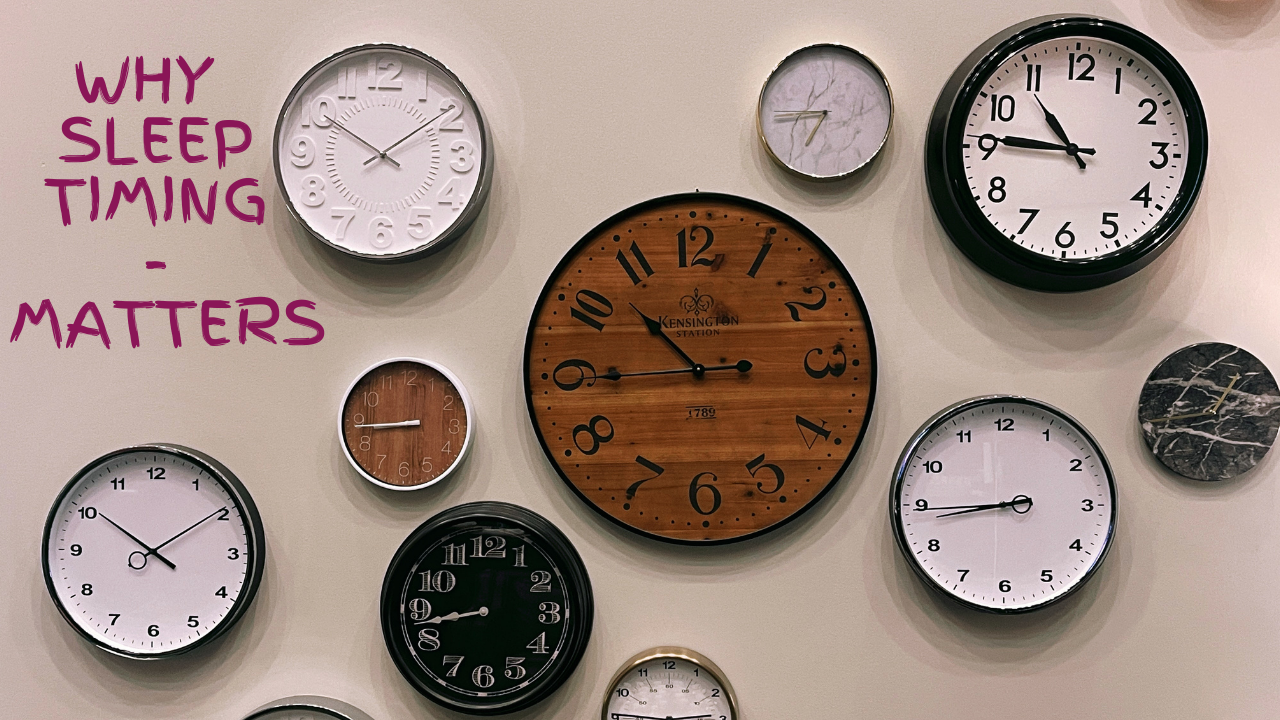
There's one single piece of advice that's universal amongst all sleep experts and researchers. It's to have a consistent bedtime and rising time. This can seem impossible in a culture where we essentially have control over the sun (our indoor lighting). Why does that matter? I'll share a few examples and you'll hopefully have a good laugh at how annoying it is for the human body to change up the schedule too often.


Find Your Magic Sleep Number
Every human on the planet is born with a magic sleep number. This is the amount of sleep your brain needs to run all of its programs at night. It’s non-negotiable.

Five Things To Do Instead of Screens Before Bed
Turning off screens one hour before bedtime is crucial for deep, restful sleep. It might sound funny, but your body needs a signal that sleep is coming. Part of that signaling is a darker environment (lack of bright light).

Which Comes First - Exercise or Rest
What happens when we attempt to release energy without storing enough?
I’ll let you in on a little secret: Sleep can’t clean up all the messes of the day.

Resisting Darkness
Our sunflower, marigold & veggie babies bend toward the light every day, even if I spin their homes around. I used to bend toward the light (in a big way), by wanting more energy, more time awake, more time for life! Some things have changed recently…

Three Lessons from my Sleep Study
My sleep study was one of the worst nights of sleep of my life. But, the doctor sent me on my way with three pieces of advice/information that will stick with me forever.

How Meditation Class Disrupted My Sleep
The sun was setting as I parked my car in the lot. As I walked in the front door, bright lights in the hallway flooded my eyes. It was 7:15pm on a Sunday. I entered the mediation room where the lighting was much dimmer, but still brighter than what I’m used to this time of night.
Active Rest for Better Sleep
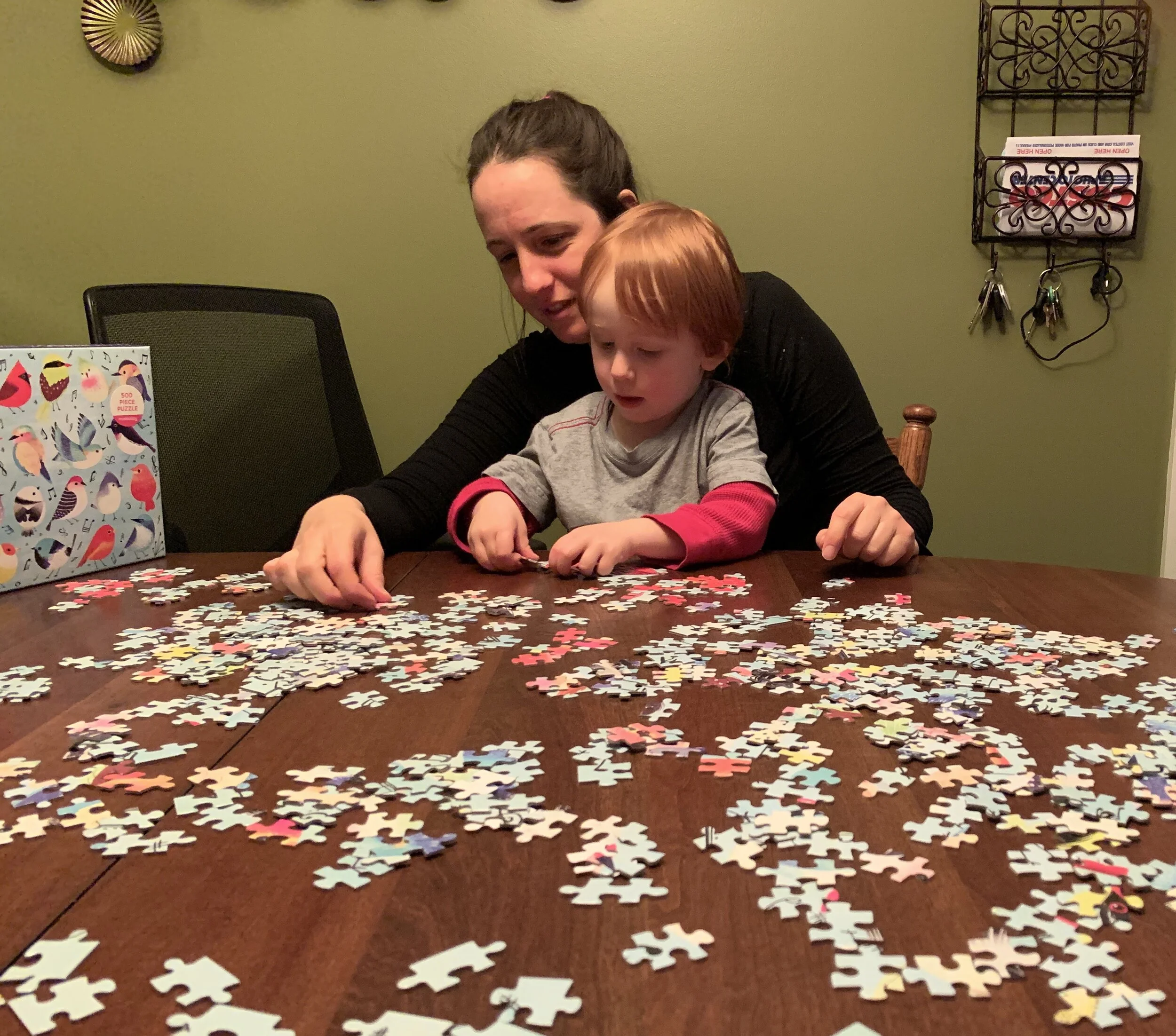
Sleep is crucial, but daytime rest also supports a healthy body. Pausing nourishes your nervous system, especially when the break allows you to escape. Lowering stress helps with sleep too.

Bedtime Routine for Better Sleep
A bedtime routine helps your body wind down for sleep the same way a grocery list and meal plan prepares you for eating, a to-do list supports your work and an exercise routine keeps you in shape.

How Does Stress Effect Sleep?
Once you sound the stress alarm bell, your body produces stress hormones to help you cope. One hormone, cortisol, is produced fresh with each stressful episode and it stays in your body until it is metabolized out. Excess cortisol disrupts sleep. Which results in daytime fatigue.
You feel tired when you want and need to be awake and you are awake during times you want to be asleep. Frustrating.

My Partner is Keeping Me Awake at Night
Sharing a bed with a loved one has benefits. Sleeping together can enhance your bond, your sleep, your health and your mood. It doesn’t always work out logistically. Snoring, restless legs, opposing sleep needs and bedtime routines can all hinder sound sleep.

Your Brain Has a Sleep Program
Your brain has a program to run every night. There are consequences of cutting it short. You need enough of the five different kinds of sleep every night. Just like you need food, water, exercise, relationships, etc. every day.

The Five Stages of Sleep
Not all sleep is created equal. Just like not all components of cooking a meal are the same. Washing produce, chopping it, cooking it and serving the meal are the different (and necessary) stages that happen for a complete meal. Each stage of sleep has a purpose and role in sleep.